
How FANDAN Saved Me RMB 80,000 a Year: A Sub-Landlord’s Real Ledger

The Customer
Li is a professional sub-landlord in a tier-2 city in East China, operating 87 scattered units—shared flats and small studios—spread across six older neighborhoods and three subway-side apartment buildings. High tenant turnover keeps him busy, but his real pain points are not vacancies; they are keys, utilities, and rent collection. Every time he thinks about scaling, the prospect of hiring more staff erases the margin.
The Struggle
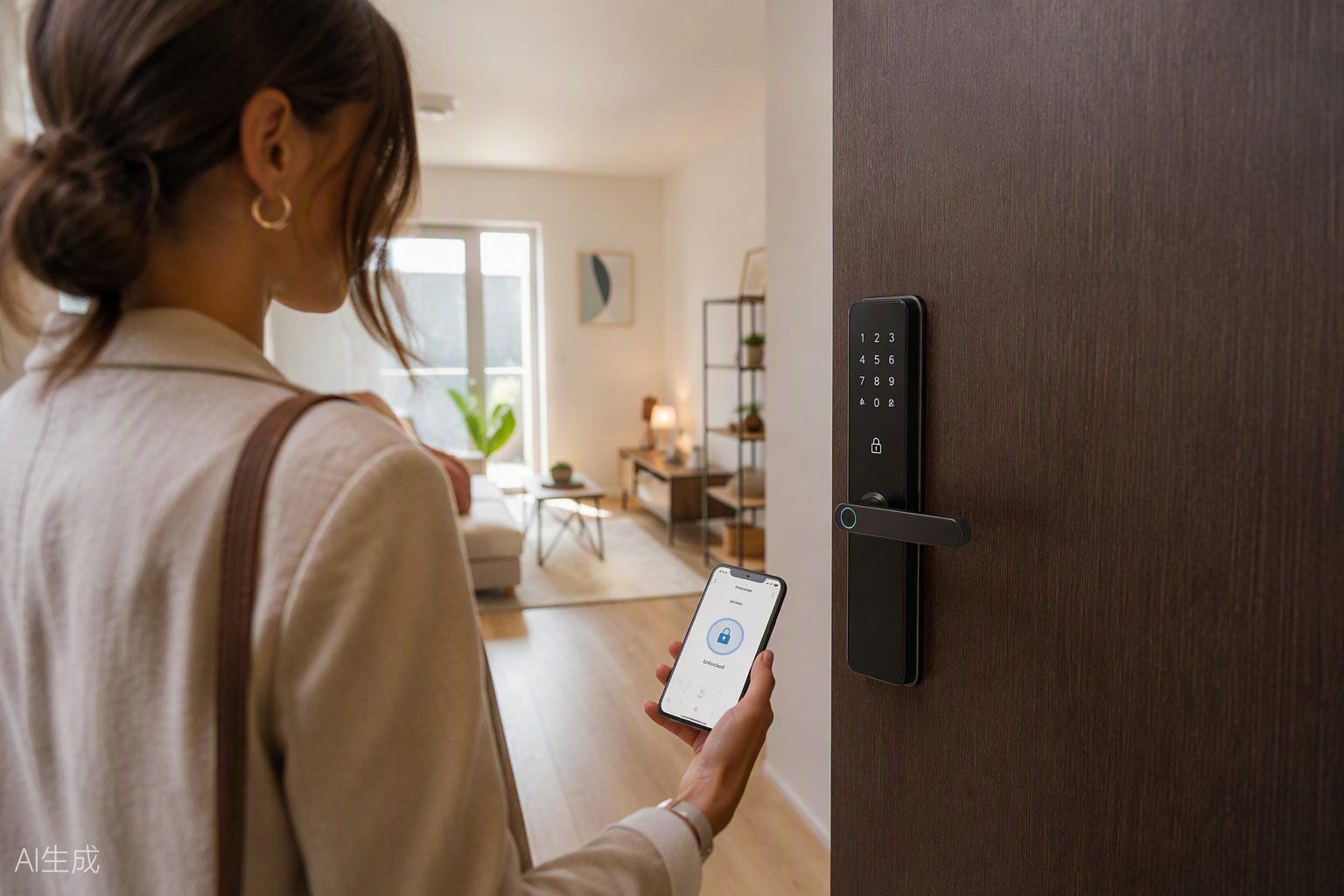
Before FANDAN, Li’s ledger hid three bleeding lines that never seemed to close.
The first was “key economics.” With a 65% annual turnover across 87 units, he faced nearly 60 move-outs each year. Every departure meant a new lock cylinder plus labor at RMB 120 a pop, totaling nearly RMB 7,000. Then came the midnight calls: “I forgot my keys.” Each emergency lockout or key delivery cost at least RMB 150, adding another RMB 5,000–6,000 annually.
The second was labor. To handle showings, key handovers, and meter readings, Li employed one full-time manager and one part-time runner, spending over RMB 60,000 a year on wages. When tenants delayed rent, his only tool was repetitive phone calls—exhausting and relationship-damaging.
The third was utilities. Old mechanical meters meant slow manual readings, endless disputes over shared bills, and tenants skipping out on unpaid water and electricity. Li often had to cover the gaps himself, losing more than RMB 1,500 per month on average. He joked, “I’m not a landlord; I’m a key courier and utility guarantor.”
The turning point came last spring. A fellow operator told him over dinner: “Cut out the keys, and you’ll save enough for a small car every year.” He then shared [FANDAN official site](https://store.fandanlock.com).
Implementation
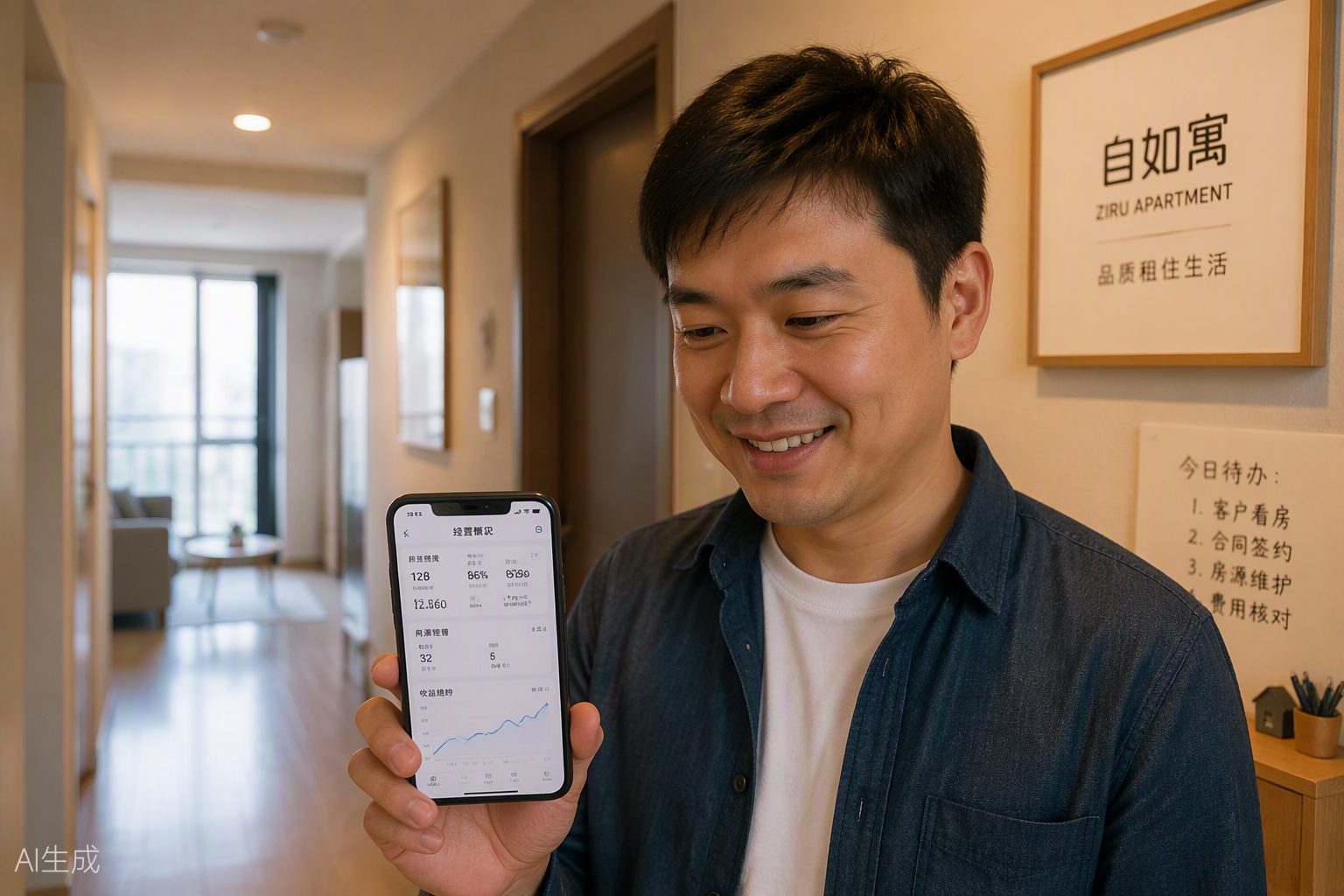
Li avoided an all-in gamble. He started with a 15-unit pilot in vacant apartments. He chose the **F25 smart lock** as the workhorse for shared-bedroom doors and the **P30 smart lock** for main entrances of whole units. He added **smart water and electricity meters** to every unit and **K3 access control** at building entrances. On the software side, he deployed **LDRENTING**, FANDAN’s apartment-management platform, connecting listings, tenants, contracts, billing, and door permissions into one pipeline.
After a week, the pilot proved itself. During the low season, the remaining 72 units were rolled out in ten days. Three decisions proved critical:
- Eliminate physical keys entirely. Tenants enter by fingerprint, passcode, or Bluetooth via the app. On move-out day, Li freezes access remotely in the LDRENTING backend, ending lock-cylinder replacements for good.
- Switch utilities to prepaid smart metering. Tenants top up before consumption; arrears trigger automatic cutoff. Shared utility costs are auto-split by occupancy days, so monthly bills are transparent.
- Link lease terms to door access. LDRENTING sends auto-reminders three days before expiry. On overdue rent, the system can restrict daily access while preserving emergency fire-safety unlocking, removing awkward confrontations.
Before scaling, Li also reviewed the one-stop hardware-and-software service details on [FANDAN official site](https://store.fandanlock.com), confirming compatibility across TTLOCK, Tuya, BLUELOCK, and FANDAN systems for future third-party integrations.
Results
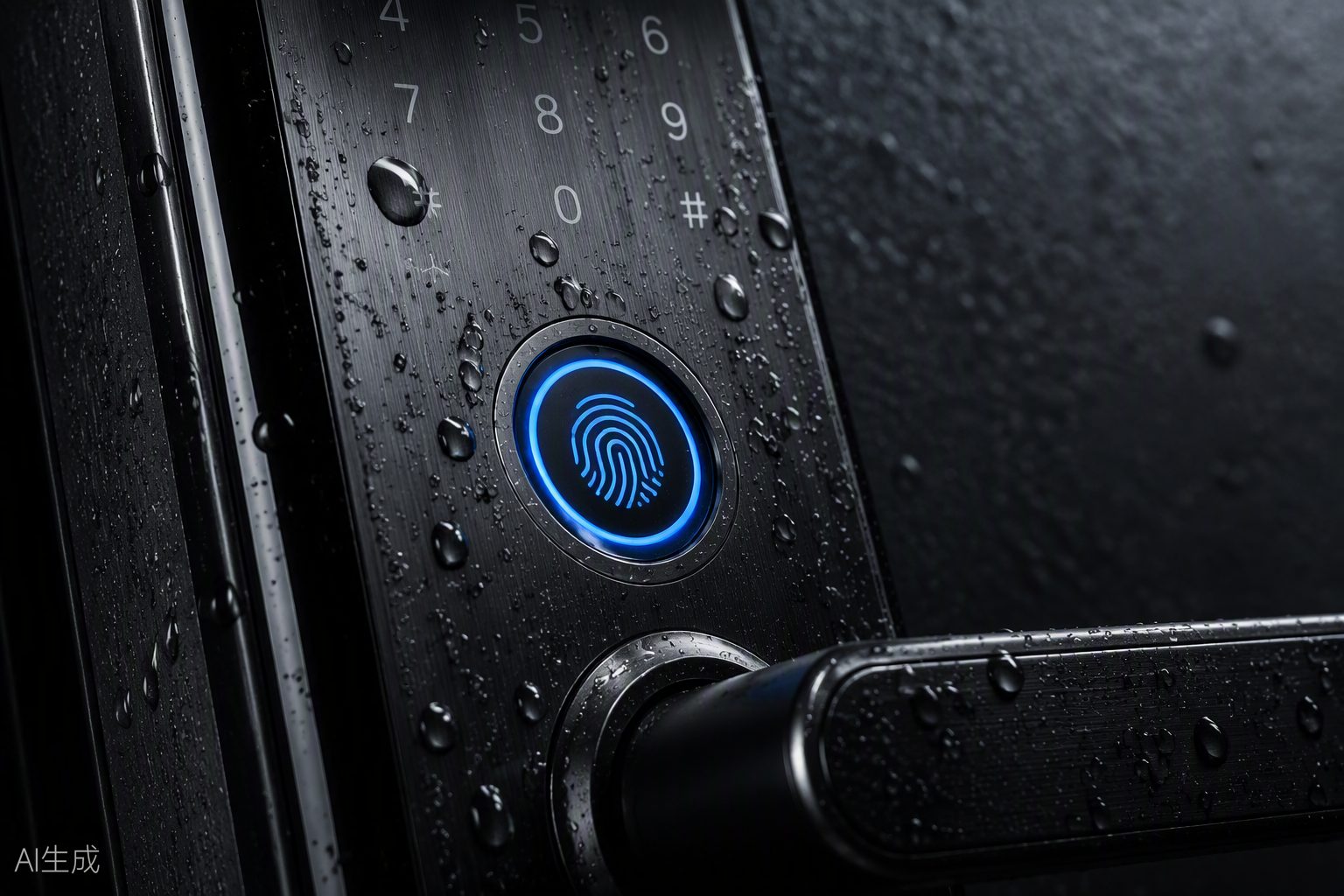
After one full year, Li laid the old ledger beside the new one. The gap surprised even him:
- Labor: Headcount dropped from “one full-time + one part-time” to “one part-time,” saving roughly RMB 36,000 per year.
- Lock and locksmith costs: Annual spending on cylinders and midnight lockouts fell from RMB 12,000 to nearly zero.
- Utility losses: Leakage and unpaid bills shrank from RMB 21,000 to about RMB 3,000, saving RMB 18,000.
- Vacancy loss: Remote temporary passcodes for self-showings cut average vacancy from 10 days to 5 days. Across 87 units, that recovered roughly 37 room-months of rent, equivalent to about RMB 14,000 in saved vacancy cost.
“Add it up, and FANDAN saved me nearly RMB 80,000 in one year,” Li said. “I used to think smart locks only saved key money. Now I realize they save labor, plug utility leaks, and give me sleep at night. I manage 87 units from my sofa.”
An unexpected bonus came from the LDRENTING dashboard. Li identified two buildings with significantly higher turnover and rent yield, then targeted similar properties and added 20 new units this year—without adding staff.
Lessons
Li’s advice for fellow sub-landlords and rental operators is practical:
- Start small. Run a 10-unit pilot first. Once you feel the freedom of never delivering keys or reading meters again, scale with confidence.
- Deploy locks and meters together. Locks solve access; smart meters solve the hidden black hole of shared utilities.
- Use tiered maintenance access. Give cleaners and repair staff time-limited, one-time passcodes instead of physical keys—safer and fully traceable.
- Let the system collect rent. Auto-restricting door access on overdue rent is firmer than human nagging and avoids face-to-face conflict.
- Check out the free sample program on [FANDAN official site](https://store.fandanlock.com) to test before you commit.