
The WeWork Lesson: How Shared Space Is Evolving in China
What Happened
In late 2023, WeWork filed for bankruptcy protection, collapsing from a peak valuation of USD 47 billion to near-zero equity. The fall of the co-working icon marked the end of a capital-fueled growth myth, not the death of flexible space demand. In China, the conversation has already shifted: "desk rental" is evolving into "Space as a Service," blending co-working with long-term apartments, talent housing, and budget accommodations. The episode matters because it forces every operator to ask a hard question—what is the real unit-economics model for shared physical space in a stock-dominated era?
Different Views
- Industry analysts: Most researchers attribute WeWork's failure to applying Silicon Valley "growth-at-all-costs" logic to brick-and-mortar assets. They argue China's flexible-space market remains viable, but the winners will be light-asset operators who master granular operations rather than scale narratives.
- Space operators: Frontline practitioners report that desk-rental revenue alone can no longer cover prime-location property costs. Many are piloting hybrid models—daytime offices, nighttime stays, hourly meeting rooms—but struggle with multi-scenario access control and utility cost allocation without systemic support.
- End users: Young freelancers and digital nomads value lease flexibility and community, yet demand stronger privacy and security. Independent door access, secure storage, and transparent utility billing have become decisive factors for renewal or churn.
FANDAN's Take

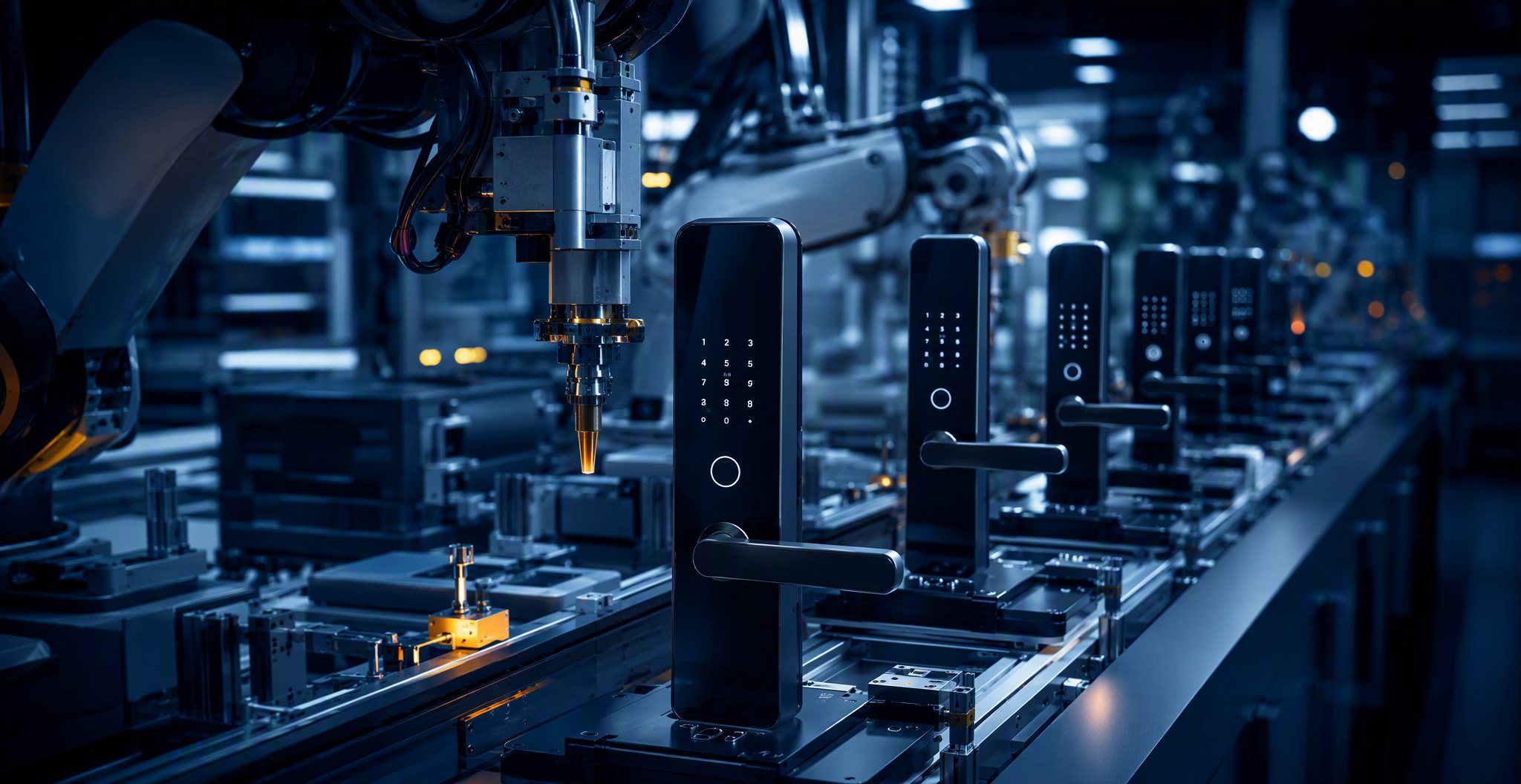
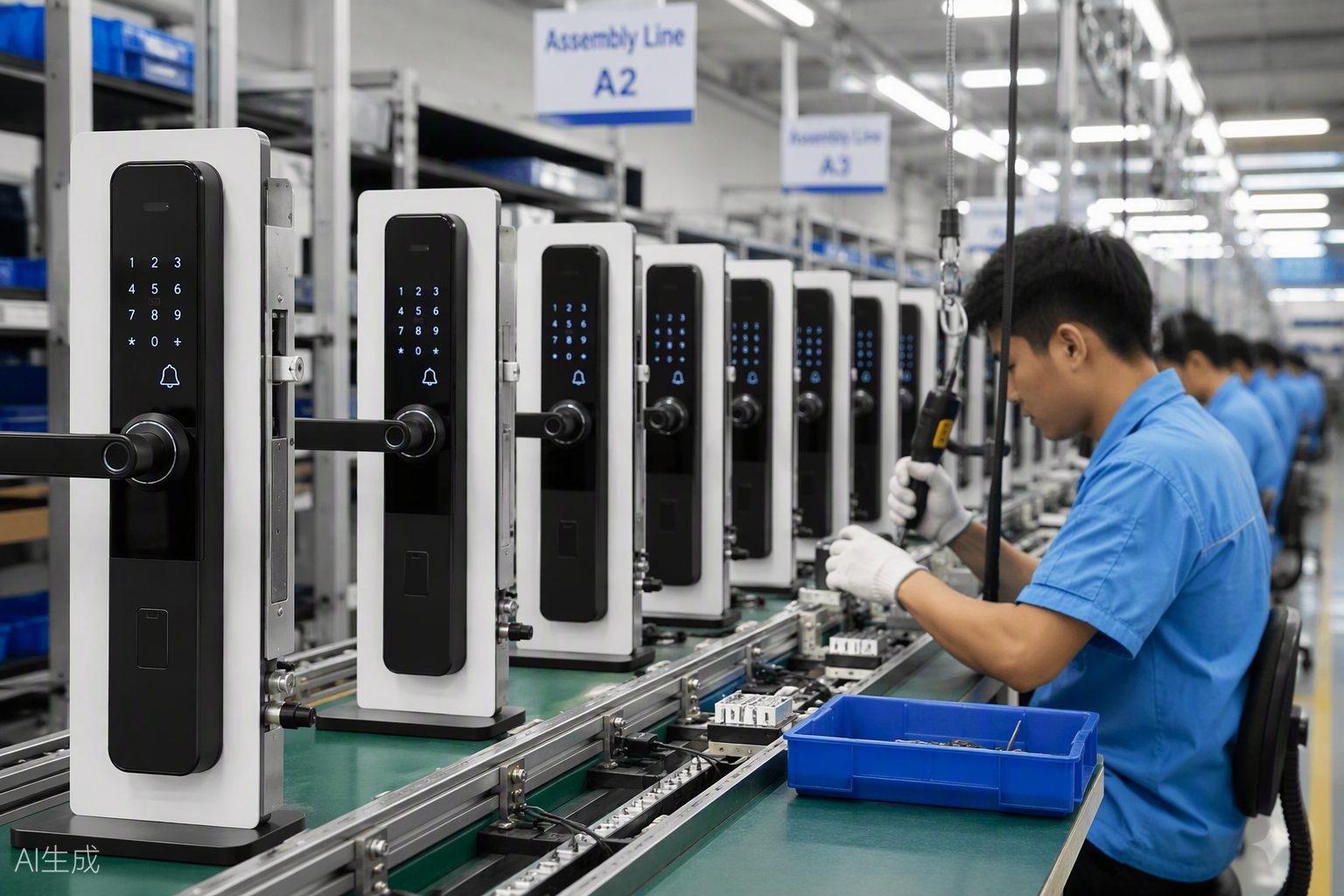
Zhejiang Lading Technology, founded in 2016 and headquartered in Yongkang—China's Hardware Capital—operates its own smart-lock factory with an annual output of 2 million units. With over 10 million devices installed globally and products exported to 28 countries, FANDAN views the China-style evolution of WeWork as a shift from "space subletting" to "digital space service."
Sharing physical space is essentially sharing time and access rights. FANDAN's portfolio includes 19+ models such as the F19, F25, P30, and B60, supporting four system ecosystems: TTLOCK, Tuya, BLUELOCK, and LDLOCK. This multi-platform architecture allows operators to assign "one person, one access rule; one time slot, one credential" across co-working suites, flexible apartments, and hourly meeting rooms.
Hardware, however, is only the entry point; operational efficiency is the core. LDRENTING and FANDAN PMS unify scattered inventory—rooms, desks, and conference halls—into a single cloud platform, automating the full lifecycle from booking, check-in, access issuance, to checkout and billing. Visit [FANDAN official site](https://store.fandanlock.com) to explore how our integrated software-hardware solutions cut front-desk labor and eliminate losses from manual key exchanges.
We also observe that the best-performing shared-space operators in China are now doing "subtraction": halting blind expansion and focusing on per-square-meter profitability. By linking smart meters and power-saving switches with models like the F21 and FH01, FANDAN enables time-based and room-based energy tracking. In scenes where desks are billed by the hour and rooms by the night, this granularity directly determines the break-even point.
The real lesson from WeWork is not that sharing is dead, but that shared space without an IoT foundation and software middle-office cannot survive the cycle.
What's Next
Over the next three to five years, China's shared-space sector will evolve along three trajectories:
- Hybrid formats: The lines between co-working, long-term apartments, affordable rental housing, and talent housing will blur. "Live-work-socialize" compounds will become standard in urban-renewal projects, requiring access systems that handle mixed-use tenancies.
- Tech as infrastructure: Smart locks and smart meters will shift from "premium add-ons" to baseline infrastructure. Operators will need deployable IoT suites like those on [FANDAN official site](https://store.fandanlock.com) that support private-cloud deployment and low marginal cost at high tenant turnover.
- Capability export: China's mature operational know-how plus smart-hardware supply chains are gaining traction in Southeast Asia and the Middle East. With coverage in 20+ markets, FANDAN sees rising overseas demand for China's integrated software-hardware packages.
Strategic recommendations:
- Light-asset expanders: Choose management systems that support multi-platform access and private deployment, preserving future flexibility and avoiding vendor lock-in.
- Stock renovators: Prioritize smart access and energy monitoring in retrofit budgets; they offer the shortest payback period and the highest tenant perceived value.
- Cross-border players: Verify local data-compliance requirements and select PMS and lock solutions that support on-premise or regional servers to mitigate overseas operational risk.
Join the Discussion
Should China's co-working players abandon the "sharing" label entirely, or rebuild it within niche verticals? Share your view. Follow FANDAN for more industry insights. Certified commercial clients can apply to [Get Free Sample](https://store.fandanlock.com) and experience the full capability of FANDAN smart locks and apartment management systems.