
Beyond Tier-1: How Chengdu, Hangzhou, and Wuhan Are Reshaping China's Rental Market Through Smart Operations
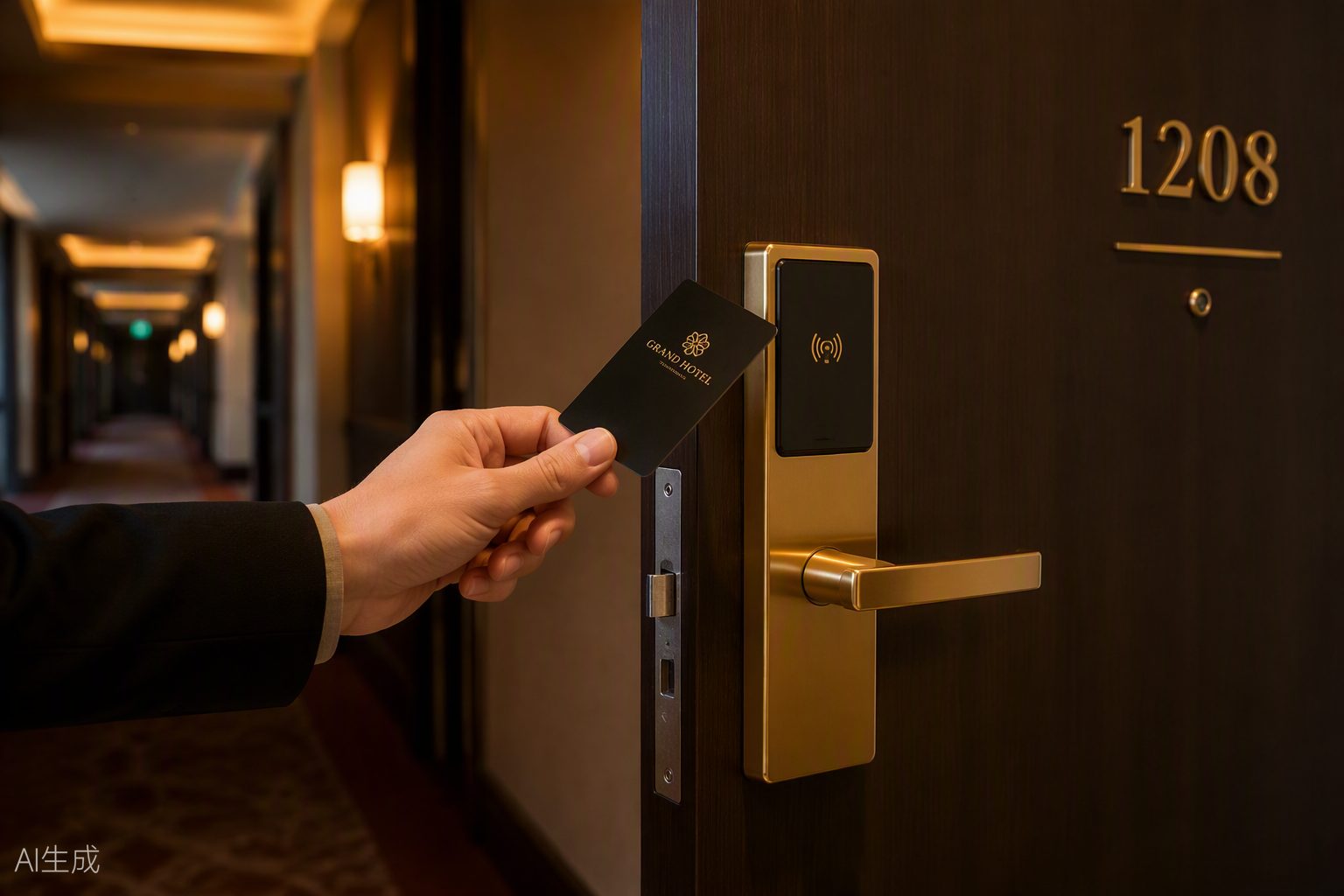
The rental markets in China's new first-tier cities are undergoing a pivotal shift from "scale expansion" to "quality competition." Accelerated industrial migration and talent reflux have reshaped supply-demand dynamics, rent structures, and operating models in Chengdu, Hangzhou, and Wuhan. FANDAN distills the key trajectories based on publicly available industry data and targeted operator surveys.
Executive Summary: The New First-Tier Rental Market Enters Stock Competition
This article draws on third-party agency monitoring, publicly available industry reports, and FANDAN's targeted operator surveys. The sample focuses on centralized and decentralized rental housing markets in Chengdu, Hangzhou, and Wuhan from 2023 to 2024, covering core business districts, industrial parks, and metro corridors.
Three core findings:
- Year-on-year growth of new supply has slowed across all three cities, yet listing cycles have shortened, indicating higher-quality effective supply.
- The 25–35 age cohort continues to expand, making "smart configuration" a new competitive baseline for rental inventory.
- Institutionalized operations have crossed an inflection point, accelerating the transition from traditional subletting to digital trusteeship.
Key Data: Rent, Inventory, and Tenant Structure in Transition
- **Rent resilience diverges: Hangzhou leads, while Chengdu and Wuhan show clear gradients**. According to publicly available industry data, core districts in Hangzhou posted average monthly rents of RMB 3,200–3,600 per unit in H1 2024, up 1.8% year on year. Chengdu's five main districts held steady at RMB 2,100–2,400, while Wuhan's Hongshan and Donghu High-Tech zones recovered to RMB 1,800–2,200, rising 2.3% quarter on quarter. Interpretation: Rent gradients closely mirror industrial structures. Hangzhou's digital economy commands the highest payment capacity; Wuhan is seeing a structural rebound driven by the Optics Valley. Trend outlook: Over the next 12 months, rents in industrial clusters will prove far more resilient than in traditional residential zones. "Set rents by industry" is becoming an operational iron law.
- **Inventory turnover accelerates, yet vacancy pressure shifts to outer suburbs**. Third-party data show that average days-on-market in Chengdu's main urban districts fell from 18 days in 2023 to 14 days, a 22.2% quarter-on-quarter improvement. Meanwhile, vacancy rates in some Wuhan outer-ring sectors remain as high as 12%–15%. Interpretation: Core districts feature rapid lease-and-turnover cycles, while peripheral areas suffer from supply-demand mismatch. Trend outlook: Operators must recalibrate acquisition radiuses; a dual structure of "profit in cores, cost control in suburbs" will persist.
- **Institutional penetration hits a tipping point, squeezing small operators**. Industry surveys indicate that large-scale operators (holding 500+ units) gained 4.7 percentage points of market share year on year across the three cities, with Hangzhou's institutionalization rate nearing 35%. Interpretation: Capital and branded apartments continue to sink into these markets, forcing smaller landlords to adopt SaaS-based management to cut labor costs. Trend outlook: Over the next three years, individual landlords lacking digital capabilities will see further erosion of market share.
- **Smart hardware adoption enters a rapid climb**. According to FANDAN's targeted surveys of operators in these cities, smart locks were installed in 67% of newly delivered or renovated units in 2024, and smart meters in 41%—up 19 and 14 percentage points respectively from 2023. Interpretation: Smart devices have shifted from "nice-to-have" to "must-have," especially in heavily regulated segments such as online short-term rentals and talent apartments. Trend outlook: Hardware that supports multi-system integration and seamless PMS/government reporting will dominate procurement decisions.
Deep Analysis: Dual Drivers of Industrial Migration and Consumption Upgrading
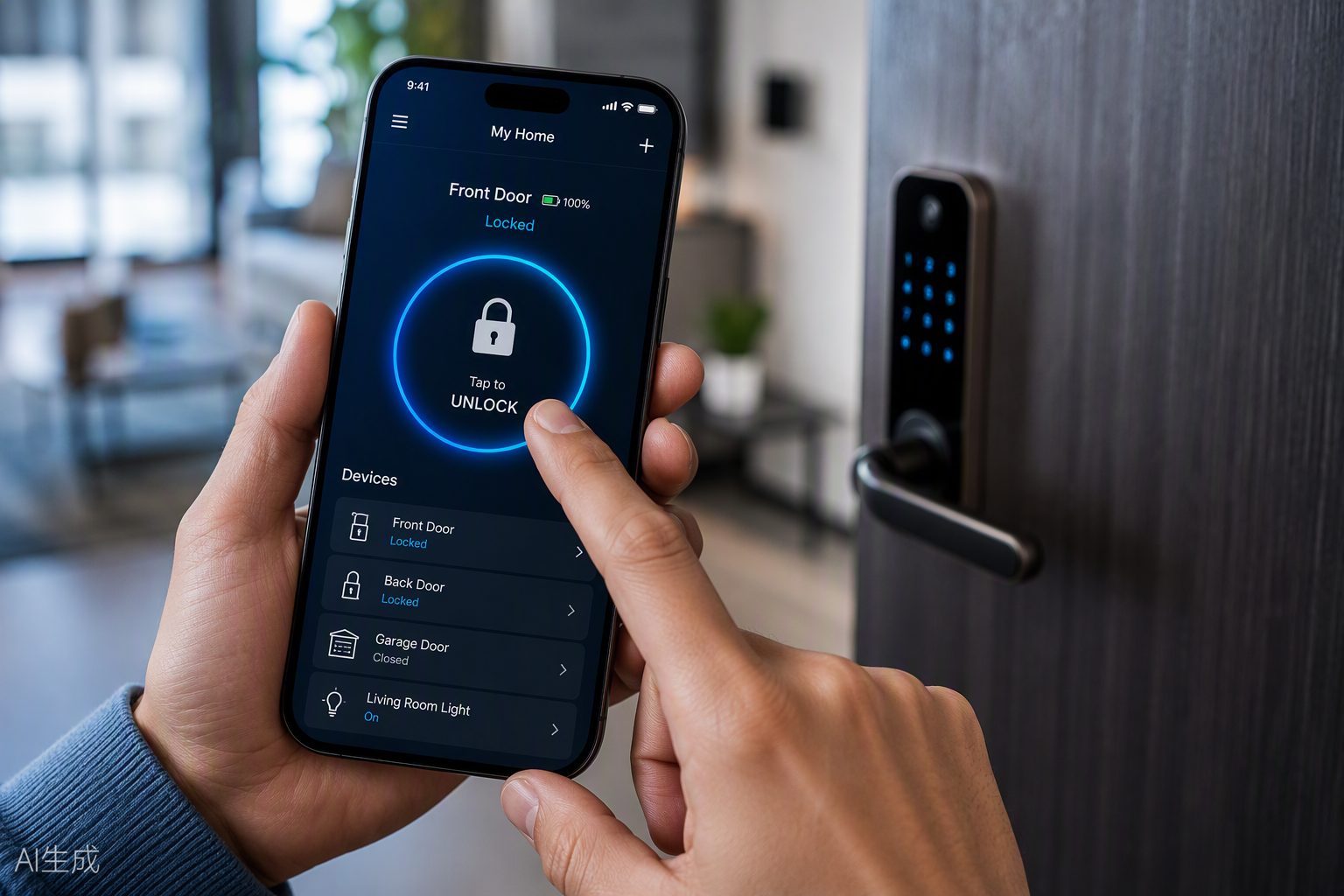
The restructuring of new first-tier rental markets is fundamentally a remapping of population flows against industrial geography. Chengdu has absorbed design and creative talent returning from coastal regions; Hangzhou continues to draw young workers through e-commerce and live-streaming; Wuhan has built a stable high-knowledge rental cohort around optoelectronics and biomedicine clusters. All three groups share one trait: they prioritize digital convenience over sheer living space.
For market participants, this means both opportunity and risk. The upside lies in combining institutional operations with smart hardware to unlock new profit pools. Through the integrated hardware-software solutions offered on the [FANDAN official site](https://store.fandanlock.com), operators can reduce per-unit management labor costs by over 30%. The downside is that operators still relying on physical key handovers, manual meter reading, and paper ledgers will fail regulatory compliance and be rapidly marginalized in an increasingly homogeneous inventory race.
A deeper challenge stems from policy. Both Chengdu and Wuhan have tightened fire safety and public-security oversight of online rentals and group rentals. Future mandates for real-name verification and online reporting will raise the bar. Hardware vendors must therefore offer not just locks, but management platforms capable of interfacing with local government systems.
FANDAN Insights: How IoT Meets the New "Hard Demand"

Facing the transition from "simply renting out rooms" to "refined operations," FANDAN believes the logic for selecting smart hardware is fundamentally changing: standalone devices must evolve into scalable IoT nodes.
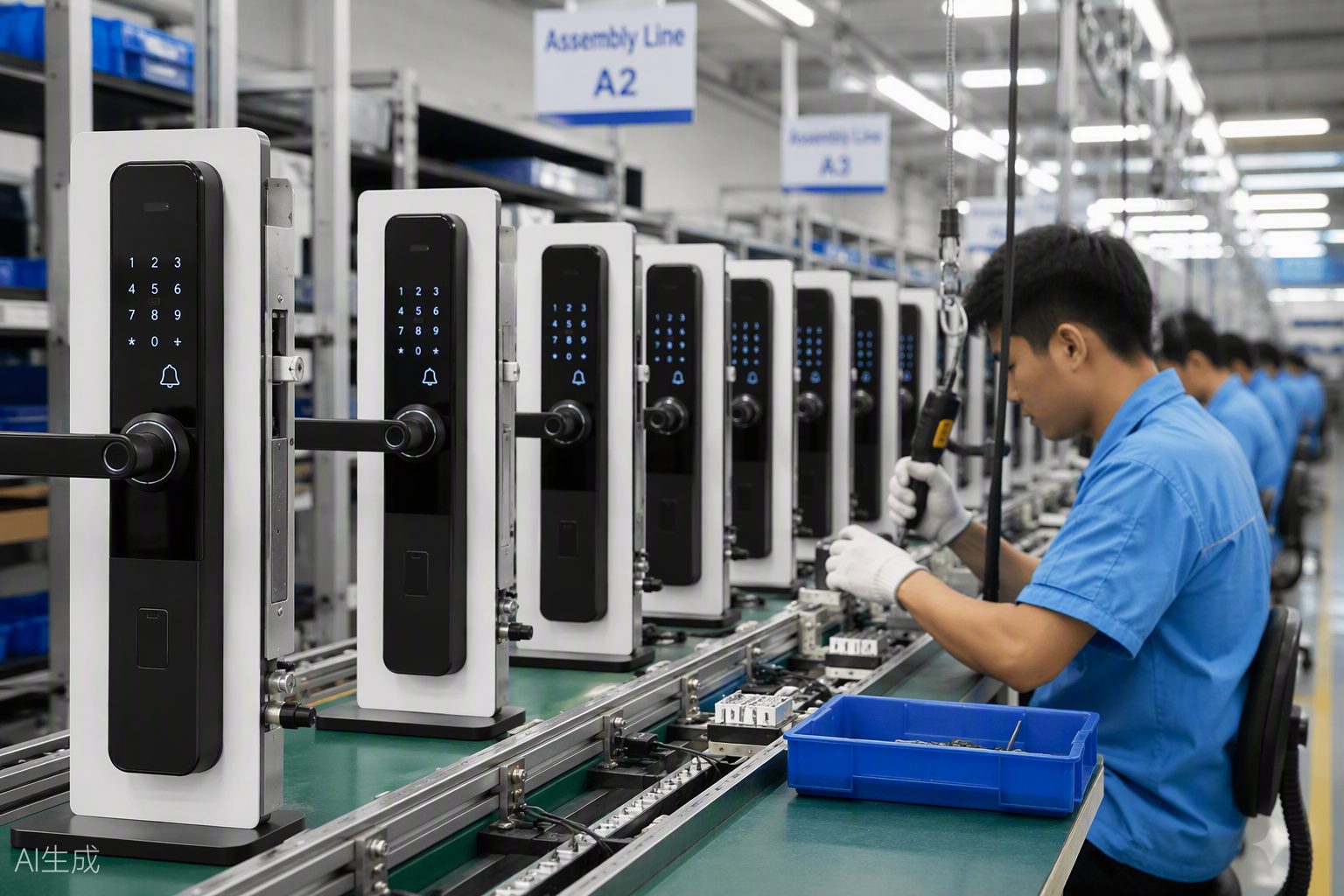
Leveraging an annual production capacity of 2 million smart locks and delivery experience across 20+ countries, FANDAN has already provided tailored solutions for apartment and homestay operators in all three cities. For Hangzhou's high-turnover studio apartments, the F25 series paired with the LDRENTING management platform on the [FANDAN official site](https://store.fandanlock.com) enables self-guided tours, auto-expiring passwords, and automatic lockout on arrears. For Wuhan's centralized talent apartments, the P30 and P40 series support both TTLOCK and Tuya ecosystems, allowing flexible integration with existing platforms. For Chengdu's vast decentralized online rental market, the F9PRO+ seamlessly integrates with FANDAN PMS to satisfy public-security real-name verification and online reporting requirements.
Moreover, the FANDAN CARD ROOM reservation system and smart meter connectivity give operators a hardware foundation to explore value-added "living plus community service" scenarios. End-to-end hardware-software services and OEM/ODM capabilities also help regional brands build proprietary product lines quickly.
Get the Full Report
FANDAN continues to track the digital evolution of new first-tier rental markets. For the complete regional operations dataset and hardware selection guide, contact our business team. We offer [Get Free Sample](https://store.fandanlock.com) programs for qualified commercial clients, with priority access to test the F25 and P40 series in live operational environments.