
Apartment Industry Outlook 2027: AI Butler, Digital Twin, Carbon Neutrality
What Happened
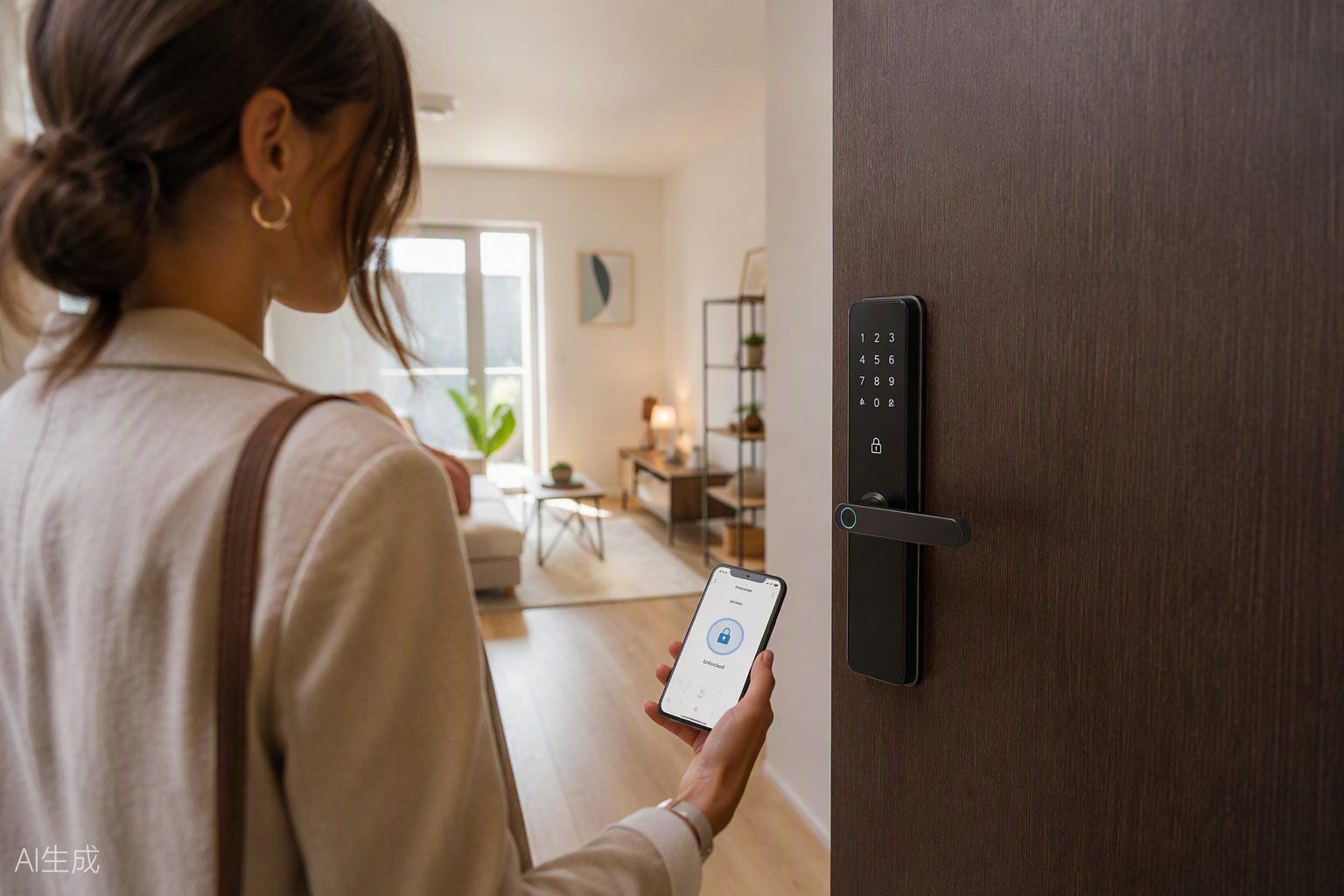
Since early 2024, leading apartment operators have unveiled their 2027 strategic roadmaps, with "AI butlers," "digital-twin operations," and "net-zero carbon housing" dominating industry conversations. One prominent rental group announced a nine-figure investment to build a digital-twin command center, aiming to mirror physical assets in virtual space. Meanwhile, multiple municipal governments have written "20% carbon reduction in new affordable rental housing" into local regulations. The collision of tech buzzwords and policy mandates has placed the apartment sector at a crossroads between intelligent operations and green transformation. Is this an efficiency revolution or marketing theater? That's exactly why operators should pay attention.
Different Views
Stakeholders are sharply divided on the 2027 vision.
- **Industry analysts** remain cautiously optimistic. A leading real-estate research institute notes that the payback period for AI butlers and digital twins at the property level still stretches to 3–5 years, and success depends heavily on underlying IoT connectivity—meaning most projects remain in the proof-of-concept stage.
- **Operators** show a "hot at both ends, cold in the middle" pattern. Large institutional landlords are eager to pilot new tech to build competitive moats. By contrast, small and mid-size dispersed-apartment owners—who make up the bulk of the market—worry that seven-figure system costs will ultimately flow through to higher rents. One operator managing 200 units told us: "I care more about who fixes an offline lock than whether an AI can chat."
- **Tenants** are practical but wary. Social-media surveys show young renters like the idea of AI-adjusted climate control, yet roughly 60% express concern that "convenience" could come at the cost of privacy and data security.
Each perspective has merit. The tension between tech utopianism and operating reality is precisely what makes this debate worth having.
FANDAN's Take
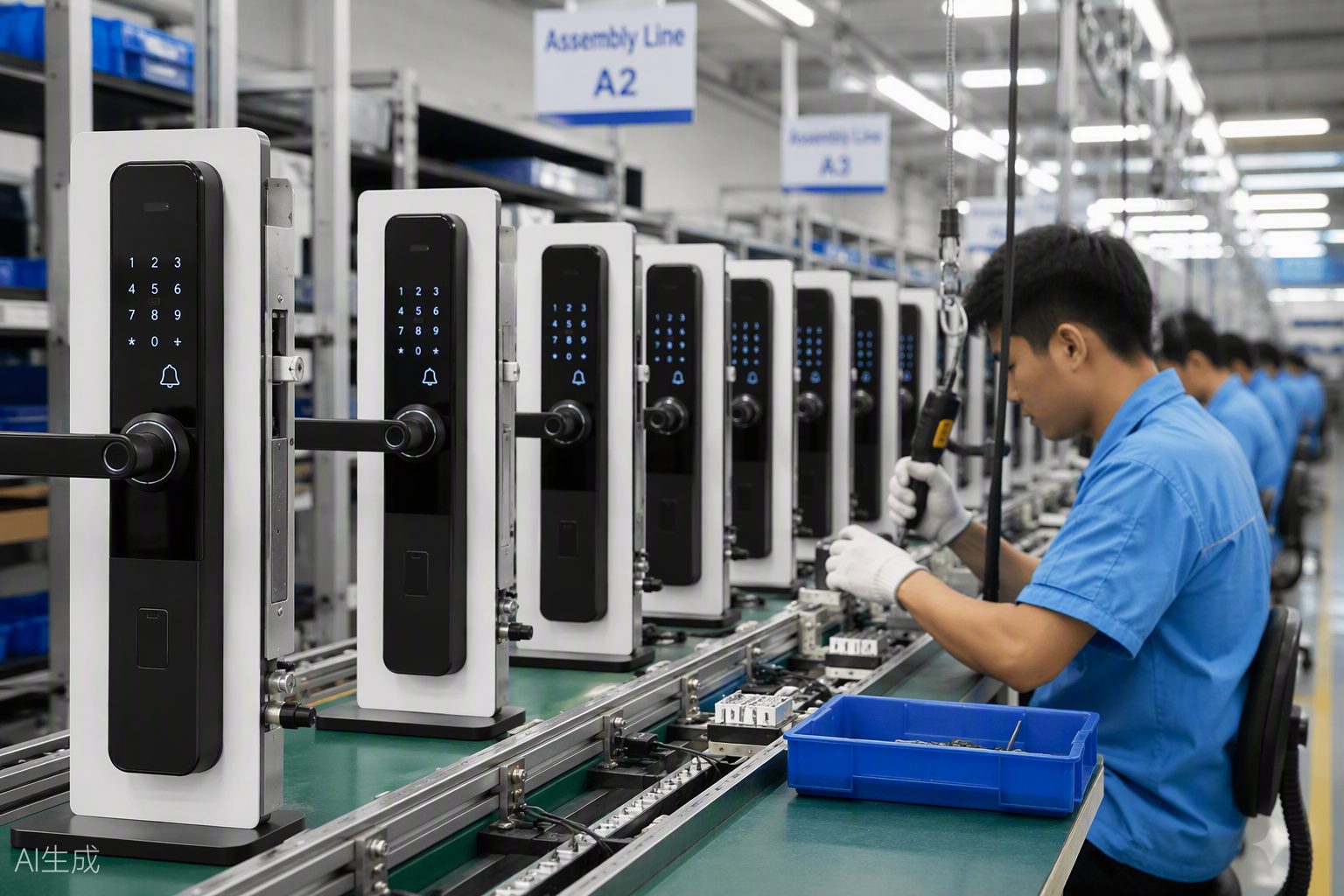
At Zhejiang Lading Technology Co., Ltd.—founded in 2016 in Yongkang, China's hardware capital—we believe the 2027 apartment race will be decided by "data-loop capability." We won't sugarcoat it: the near-term value of an AI butler in rental housing is not anthropomorphic conversation, but automated decision-making grounded in real hardware states.
Our perspective is shaped by maintaining over ten million installed devices worldwide and an annual output of two million smart locks exported to 28 countries. In our view, a digital twin doesn't start with a 3D dashboard; it starts with real-time connectivity across rooms, locks, electricity, and water. Models like the P40 and G20PRO, working with smart meters and power-cut switches, already sync occupancy status, energy curves, and abnormal access alerts minute-by-minute through LDRENTING and FANDAN PMS. That is a "de facto digital twin" in action.
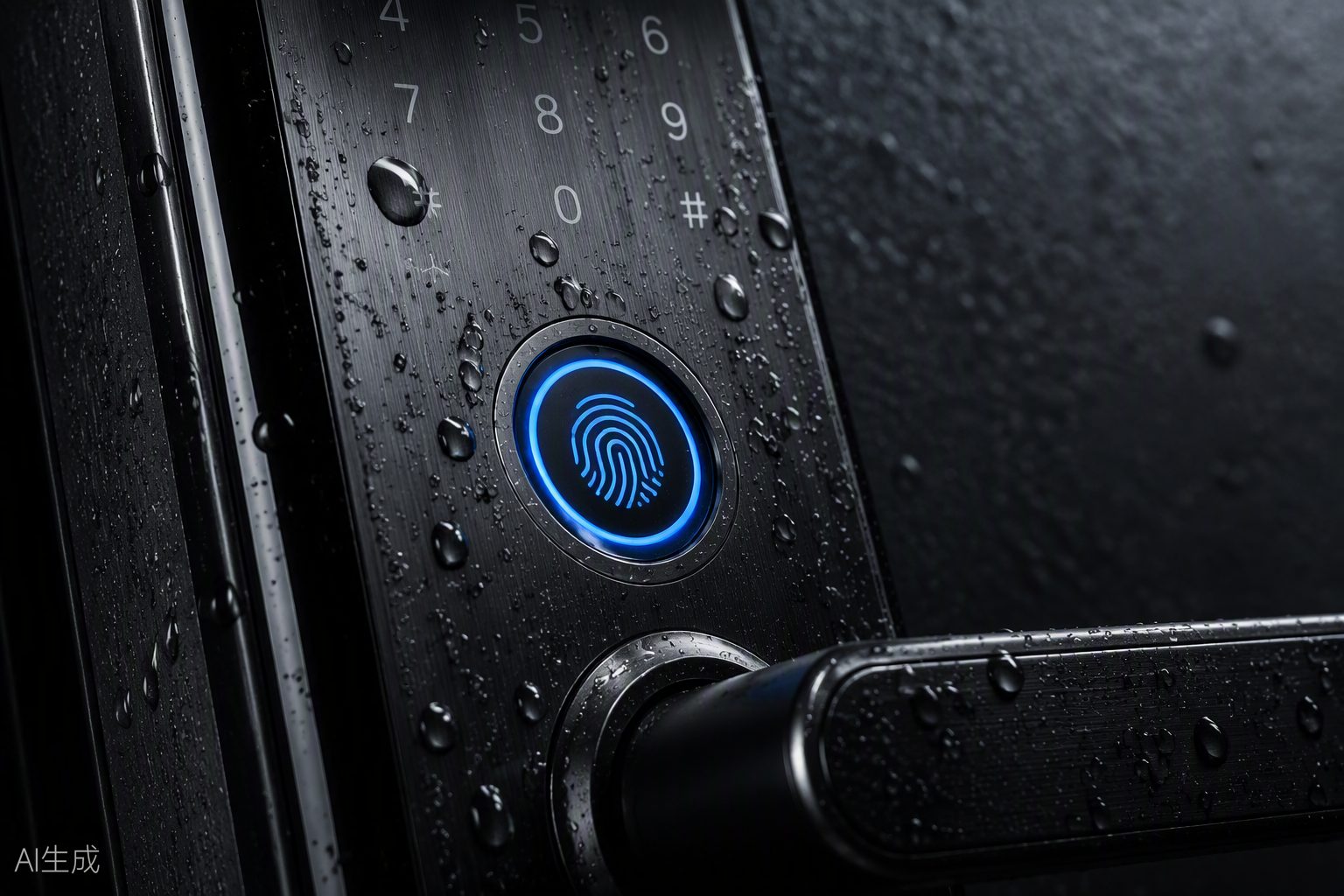
On carbon neutrality, the industry risks favoring spectacle over substance. Real decarbonization happens at the device-interaction layer: the F9AUTO, F25 series, and smart meters can adjust HVAC and lighting based on actual occupancy data, cutting energy use at the room level. Because our hardware supports TTLOCK, Tuya, BLUELOCK, and the native FANDAN system, legacy properties can evolve incrementally instead of rip-and-replace.
Our rational verdict: fully AI apartments will not arrive by 2027. However, the shift toward "smart hardware + SaaS platform + data insight" will separate market leaders from laggards. Technology should reduce operating anxiety, not create it. Explore our ecosystem at the [FANDAN official site](https://store.fandanlock.com).
What's Next
2025 through 2027 will be the critical window for the apartment industry to move from concept to live deployment.
- **For centralized / institutional apartments**, digital twins will first scale in new large-scale communities. Through the private-deployment capabilities of FANDAN HOME, operators can unify property, energy, and security management, with industry forecasts suggesting OPEX reductions of 10–15%.
- **For dispersed / short-rental operators**, lightweight cloud platforms will be the dominant path. Using FANDAN PMS Cloud, landlords can digitize units at minimal cost with models like the F15, F18, and P30—locks that support all four major systems (TTLOCK, Tuya, BLUELOCK, FANDAN)—gaining "quasi-AI" management without building their own server rooms.
- **For public / affordable housing**, policy-driven carbon-neutral retrofits will create structural demand for one-stop hardware-and-software solutions with customizable and private-deployment options.
Our advice: resist the hype cycle. Adopt an "endpoints first, platform second, AI last" roadmap. Begin by covering your footprint with smart locks and meters, add the operations middleware, then layer on analytics. Learn more at the [FANDAN official site](https://store.fandanlock.com).
Join the Discussion
What's your take? Will 2027 mark a real milestone in tech-enabled rental housing, or are we looking at another concept bubble?
Follow FANDAN for frontline insights and data-driven reports. If you're evaluating a smart-apartment upgrade, visit the [FANDAN official site](https://store.fandanlock.com) to Get Free Sample and experience the integrated power of the F7PRO+, B50, and LDRENTING platform.