
Centralized vs. Decentralized: Which Model Fits Your Smart Property Retrofit?

Why This Review
As the smart rental industry moves from "single-point intelligence" to "whole-domain connectivity," operators face a fundamental architectural choice: should a retrofit adopt a centralized deployment (private server/local infrastructure) or a decentralized architecture (SaaS/cloud platform)? This review compares both models across five dimensions—functionality, cost, service, stability, and scalability—using real-world scenarios from apartments, homestays, hotels, public rental housing, and online short-term rentals. The evaluation draws on Zhejiang Lading Technology Co., Ltd.'s track record since 2016, including over 10 million devices installed globally and presence in more than 20 countries, to provide an impartial reference for operators of all sizes. [FANDAN official site](https://store.fandanlock.com)
Evaluation Criteria
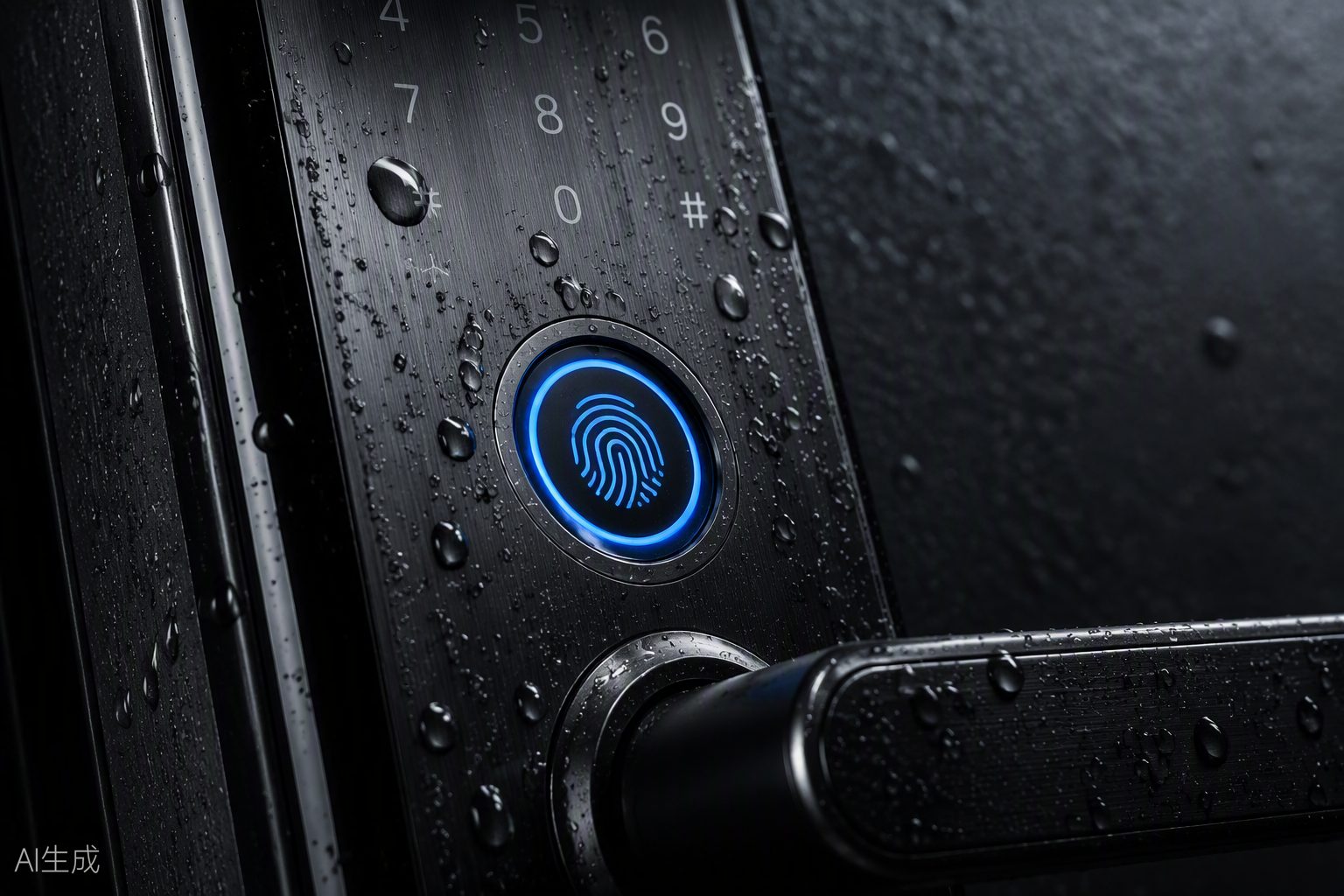
We score each dimension out of 5, with a 20% weighting per category:
- Functional Fit: Depth of hardware-software integration across smart locks, K3 access control, power switches, and smart water/electricity meters, plus multi-vertical support for apartments, hotels, and public housing.
- Total Cost of Ownership (TCO): Three-year cost curve combining hardware, platform licensing, server investment, and maintenance.
- Service Response: Speed and sustainability of custom development, private deployment, OEM/ODM, and local technical support.
- System Stability: Offline operation during network outages, data sovereignty, multi-site disaster recovery, and long-term failure rates.
- Scalability: Seamless expansion from a 10-room pilot to a 1,000-room portfolio without hardware or platform replacement.
Head-to-Head
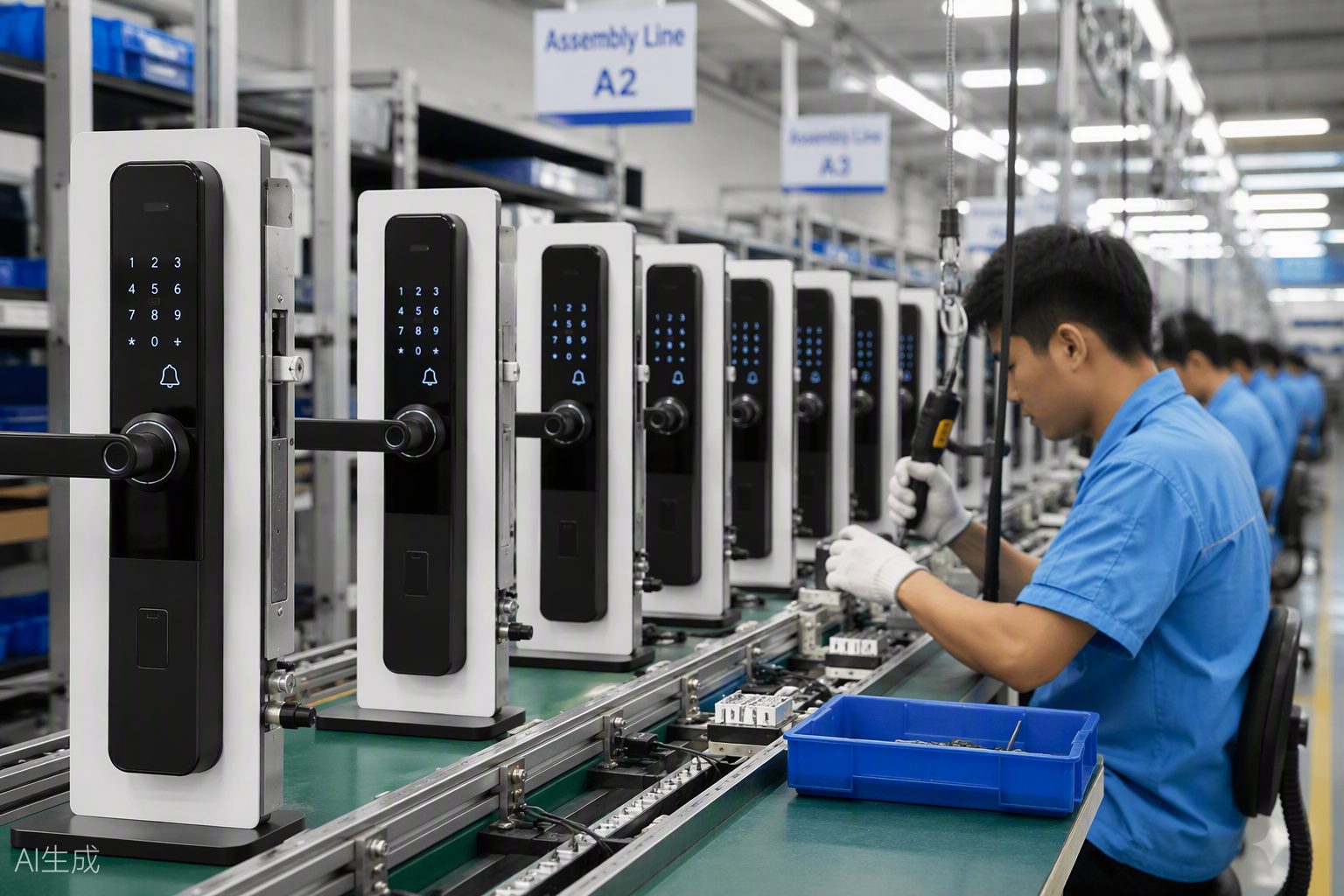
- Functional Fit: Centralized models rely on private platforms to enable deep linkage between K3 access control, power switches, smart water/electricity meters, and door locks, with customizable dashboards and regulatory interfaces—ideal for public rental housing or large hotel chains with strong compliance needs. Decentralized models leverage SaaS tools like LDRENTING, BLUELOCK, and the Tuya/TTLOCK ecosystems for rapid go-live, offering out-of-the-box room management, remote passcode issuance, and PMS synchronization for lightweight apartments and homestays. FANDAN covers six software platforms and four system versions (TTLOCK/Tuya/BLUELOCK/LDLOCK), with 19+ hardware models—from F25MINI to P60 and G20PRO—adapting seamlessly to either architecture without redundant procurement.
- Total Cost of Ownership: Centralized deployments require upfront server, networking, and privatization investments, but marginal costs decline significantly beyond the 1,000-room mark, with long-term data assets owned by the operator. Decentralized models use per-room or annual subscriptions, lowering initial cash pressure yet potentially exceeding private-deployment costs as room counts grow. FANDAN leverages its own factory in Yongkang—the "Hardware Capital of China"—with an annual capacity of 2 million smart locks, driving down hardware costs through direct supply-chain access. A free sample program further reduces decision risk by letting clients validate real-world TCO before committing.
- Service Response: Centralized delivery depends heavily on a vendor's custom development depth and delivery history, where response cycles correlate directly with in-house R&D scale. Decentralized services prioritize standardized iteration, leaving limited room for deep customization. Headquartered in Yongkang with its own smart lock manufacturing plant and R&D team, Zhejiang Lading Technology supports centralized projects with private deployment, custom development, and OEM/ODM services, while continuously updating standardized SaaS for decentralized users—ensuring robust service coverage across both tracks.
- System Stability: Centralized setups can adopt intranet or hybrid-cloud architectures, maintaining core unlocking, power control, and access logic locally during outages, with clear data sovereignty—critical for regions with complex network conditions or strict compliance. Decentralized models depend on public internet, requiring robust offline passcode caching and multi-datacenter redundancy. With over 10 million devices installed across 28 export markets, FANDAN products have been validated under diverse network conditions. The availability of four system versions allows operators to select an architecture with stronger offline resilience based on local infrastructure.
- Scalability: Centralized expansion requires advance planning for server and network resources, suiting projects with predictable scale and long investment horizons. Decentralized models allow room counts to fluctuate on demand, with new devices onboarded simply by account registration—advantageous for project-based or seasonal operations. FANDAN's LDRENTING and FANDAN PMS cloud editions both support seamless room-count expansion, while the full hardware lineup from F25MINI to P60 enables operators to pilot in decentralized mode and later migrate to centralized private deployment without hardware replacement.
Best for Each Scenario

- Centralized deployments: Government public rental and talent apartments benefit from FANDAN HOME private deployment to meet data-residency and regulatory-interface requirements. Large hotel chains and online short-term rental supervision platforms are better served by customized FANDAN PMS private editions, enabling a centralized data cockpit with multi-store unified management. For venues with extreme data sensitivity, such as chess/card rooms and meeting spaces, FANDAN CARD ROOM offers a standard instant-registration tier that can later upgrade to a private edition.
- Decentralized deployments: Scattered long-term apartments, urban homestays, and small-to-medium hotels can go live quickly using LDRENTING plus BLUELOCK, paired with F19 or F25 smart locks for online passcode distribution and real-time room-status syncing. Cross-border e-commerce and overseas light-asset operators can replicate rapidly via the Tuya/TTLOCK ecosystem, leveraging FANDAN's export experience across 28 countries to reduce compliance risk. [FANDAN official site](https://store.fandanlock.com)
- Hybrid architecture: Large groups can adopt a "centralized group data hub + decentralized store operations" model. FANDAN's four system versions support flexible switching on the same hardware, preserving group-level oversight while maintaining single-store agility.
Buying Advice
Pitfalls to avoid: First, do not judge a retrofit by the unit price of a single lock alone; calculate a three-year TCO covering platform fees, installation, and ongoing maintenance. Second, choose a brand that supports multi-system migration to prevent hardware silos as the portfolio expands. Third, verify that the vendor owns its manufacturing facility and can sustain supply. FANDAN's Yongkang-based plant produces 2 million smart locks annually and exports to 28 countries, effectively insulating clients from supply-chain disruption.
Trial recommendation: Start with the free sample program by requesting mainstream models such as F25MINI or F19 to test local network conditions and installation feasibility. Then run a 10-room pilot on LDRENTING or BLUELOCK to validate decentralized workflows. If scale increases or regulatory integration is required, evaluate an upgrade path to FANDAN PMS or FANDAN HOME private deployment.
Visit [FANDAN official site](https://store.fandanlock.com) now to Get Free Sample details and begin your smart retrofit validation.